

Nav Rakhra
Accreditation Research and Development Officer
College of Physicians and Surgeon of British Columbia - Diagnostic Accreditation Program
Canada

The Diagnostic Accreditation Program (DAP), a program of the College of Physicians and Surgeons of British Columbia (BC), has the mandate and authority derived from the College Bylaws, under the Health Professions Act, that every diagnostic facility must be accredited before it can render a diagnostic service. This includes both public and private facilities regardless of the source of funding (public or private pay).
Specifically, Home Sleep Apnea Testing (HSAT) in BC was predominantly provided by private, unregulated and unaccredited individuals. There was growing concern from the sleep medicine community about inappropriate diagnoses and management which prompted the Ministry of Health to launch a comprehensive review of the sleep medicine service delivery environment. A key recommendation was to develop a formal accreditation process for HSAT facilities to ensure consistent quality of practice and patient care. Accreditation plays a significant role in improving the quality of health services by providing a framework and criteria for evaluating facilities and their practices.
In January 2021, the DAP Committee approved accreditation standards for home sleep apnea testing. These are evidence-based, outcome-focused mandatory requirements and best practices that are aligned with the principles of quality of care. The DAP’s accreditation standards were developed through a collaborative, consultative and consensus building process involving health professionals and organizations, academics, experts, consumers, health authorities, colleges and the Ministry of Health*. The standards are available here.
The initial enrolment process resulted in 240 applications and to date there are over 170 HSAT facilities currently accredited by the DAP. Public facilities had their accreditation fees covered by the government. Private facilities must pay their own accreditation fees. As a result of accreditation, the Ministry of Health agreed to pay for the HSAT in these private facilities that received accreditation. The annual cost of accreditation for facilities was CAN $3000, which was more than covered by the government funding of the testing.
*Ref: Diagnostic Accreditation Program - Accreditation standards: Home Sleep Apnea Testing 2023 - Diagnostic Accreditation Program and the College of Physicians and Surgeons of British Columbia – Vancouver, Canada
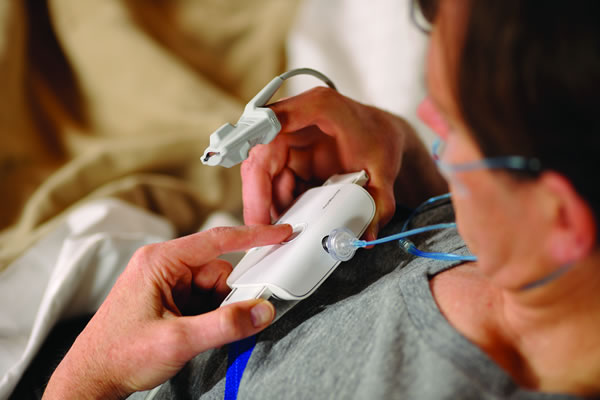
Accreditation brought standardization to facilities providing HSAT while fostering patient-centred care. This has promoted consistency and confidence in healthcare practices, ensuring that patients receive consistent quality care, regardless of the location of the facility.
Specifically, confidence ensured that the right test was conducted, on the right patient, with an accurate medical interpretation, thus supporting the appropriate medical oversight/intervention for the patient.
In addition, accreditation fosters a culture of continuous quality improvement, requiring regular assessments and performance measurement to identify areas for improvement, resulting in sustained quality improvement efforts by the facility.
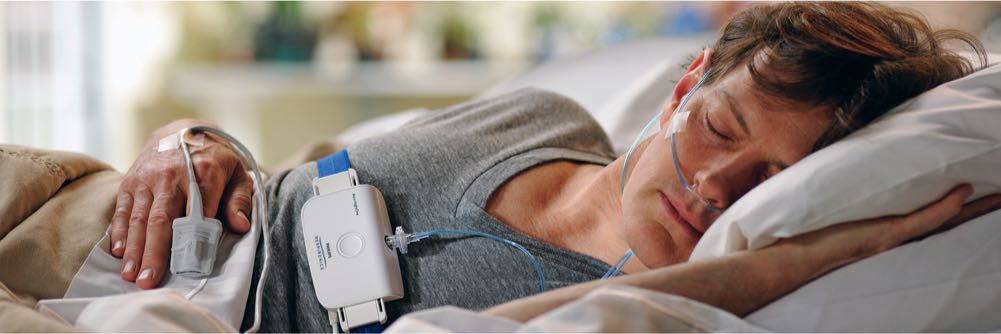
At Home Sleep Apnea Test. Source: https://comprehensivesleepcare.com/our-services/sleep-services-overview/in-home-sleep-study-services/
Some key learning points that can help enhance the effectiveness of planning and delivering a successful accreditation programme include:
.tmb-1920v.png?Culture=en&sfvrsn=54737d84_1)