

Nigeria

• Telemedicine played a crucial role in mitigating the impact of the COVID-19 pandemic and maintaining essential health services.
• Community Health Extension Workers (CHEWs) were instrumental in the implementation of an outreach postnatal service during the first COVID-19 lockdown. This formed part of a broader effort to ensure the maintenance of MNCH services in Abia State.
• Engagement with local community leaders was key in building trust in the delivery of modified services. This holistic approach also laid the foundation for combating COVID-19 vaccine hesitancy.
• A network of trained community health extension workers (CHEWs) conducted home visits for postnatal care during the first week after child birth, whilst following social distancing and COVID 19 safety protocols.
• We identified and accredited a referral facility (Amachara & Mecure Specialist Centres in Umuahia) to which obstetric and neonatal emergencies were referred to. In consultation with community leaders, we set up a system for contacting the referral service and for transporting clients.
• All facility deliveries were conducted by a skilled provider who followed the recommendations outlined to strengthen the COVID-19 response. This included frequent hand washing, use of disposable supplies and decontamination of nondisposal instruments (a bag, a mask and a suction device) after each delivery.
• We worked assiduously on health education/information on infection prevention, potential risks and how to seek timely medical care.
• Minimizing hospital visits by ensuring that one hospital visit is maximally utilized to also support the provision of other MNCH services.
• We rapidly re-distributed health workforce capacity, including re-assignment of health and community workers.
• We were innovative and implemented telemedicine. This included TV and Radio dial – in sessions with doctors and nurses to provide diagnosis, counselling and medications for patients. If the case was critical, a two person team was dispatched to treat and/or take a patient for hospital admission.
Abia State is one of 36 states in Nigeria, located in the South-Eastern region. It covers approximately 5.8 percent of the total land area of the country. The state faces both health and social development challenges.
Key statistics (NDHS 2018):
Life expectancy = 52, per 1000 live birth
MMR = 3.5/100,000
Infant mortality rate = 55/100,000
Under 5 mortality rate = 83/100,000
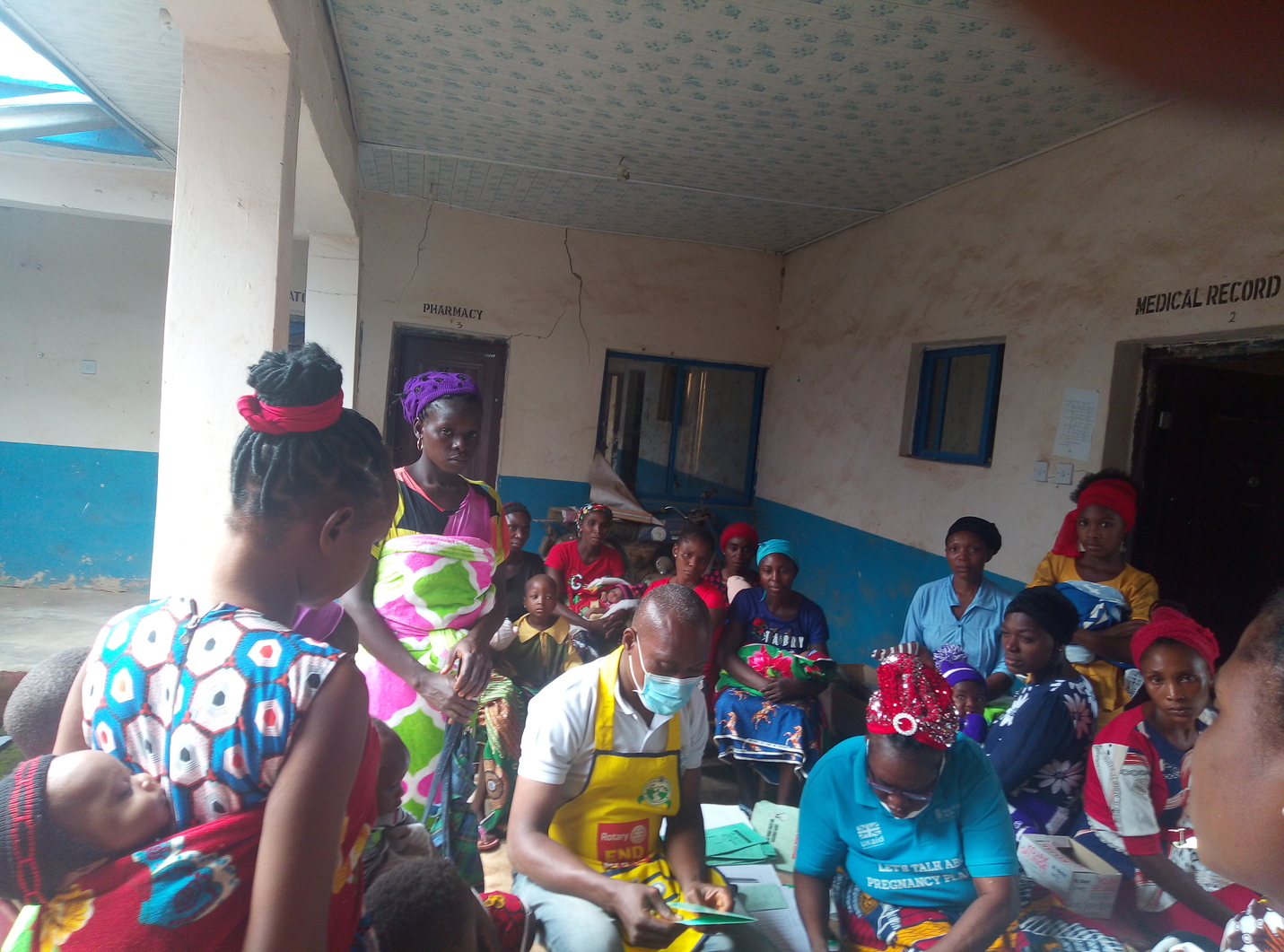
Mr. Charles Ibeneme supporting a team during a routine immunisation session in Ukwa East LGA, Abia State
MNCH services:
The distribution and supply of clean and safe delivery kits to pregnant women (especially in rural areas) was disrupted by the COVID-19 pandemic.
Community Management of Acute Malnutrition (CMAM):
The COVID-19 related national lockdown resulted in loss of purchasing power and food price hikes for many citizens. This led to acute malnutrition in children (especially under 5 years) and impacted community management.
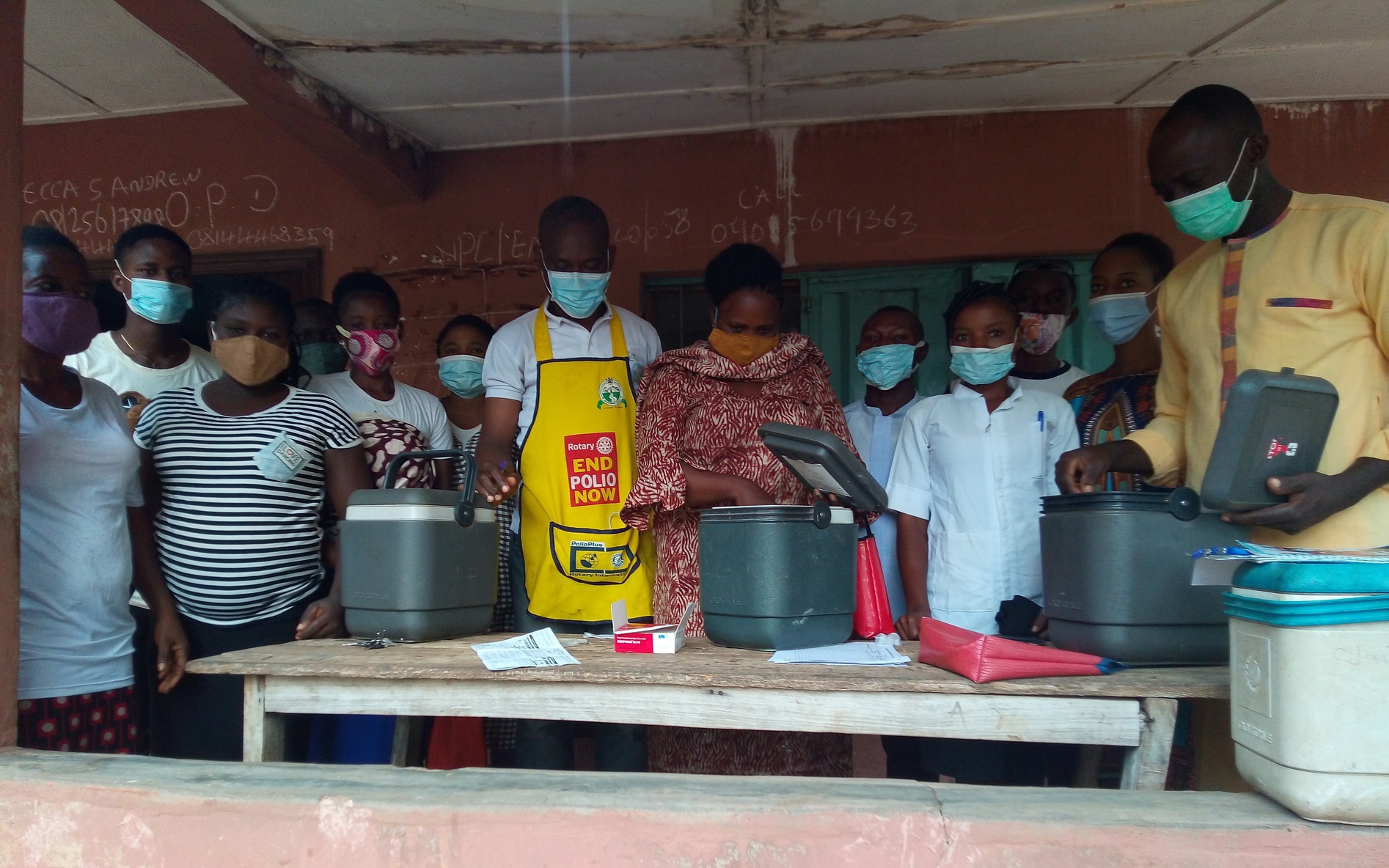
Mr. Charles Ibeneme inspecting the fast cold chain system before teams are deployed in the field
• Improved labour, delivery and postnatal services.
• Improved knowledge of the requirements for safe delivery and immediate postpartum care during the pandemic.
• We sought and got the buy-in of religious leaders across the various divides. This greatly improved the acceptance of treatment and the vaccine uptake.
• An increase in poverty had a significant impact on citizens in Abia state as the pandemic progressed. Collaborative efforts with stakeholders to mitigate this impact were difficult to implement.
• Treatment hesitancy of mothers and caregivers to children <5 years – due to personal beliefs, rumours and stigmatization (particularly in the earlier stages of the outbreak).
• We wish we had set up the Ward Advocacy Group (WAG) earlier. This group comprises of PHC champions who support community members in accessing MNCH and immunisation services.
• We wish we had set up the Emergency Management Fund that would have been able to guarantee the welfare of front line health workers, such as CHEWS
at rural health centres.
• Adoption of a holistic, person-centred approach to clinical assessments of patients by health care workers/providers.
• A limited number of CHEWs and nurses were able to administer Long Acting Reversible Contraceptive (LARC) methods. Expanding access to family planning
contraceptive methods is a key ongoing need.
• Lack of training and retraining for CHEWs and nurses due to the shortage of doctors at the community level.
• Lack of collaboration between Traditional Birth Attendants (TBAs) and PHC staff – this has hampered the sharing of lessons learnt from the delivery of MNCH services.
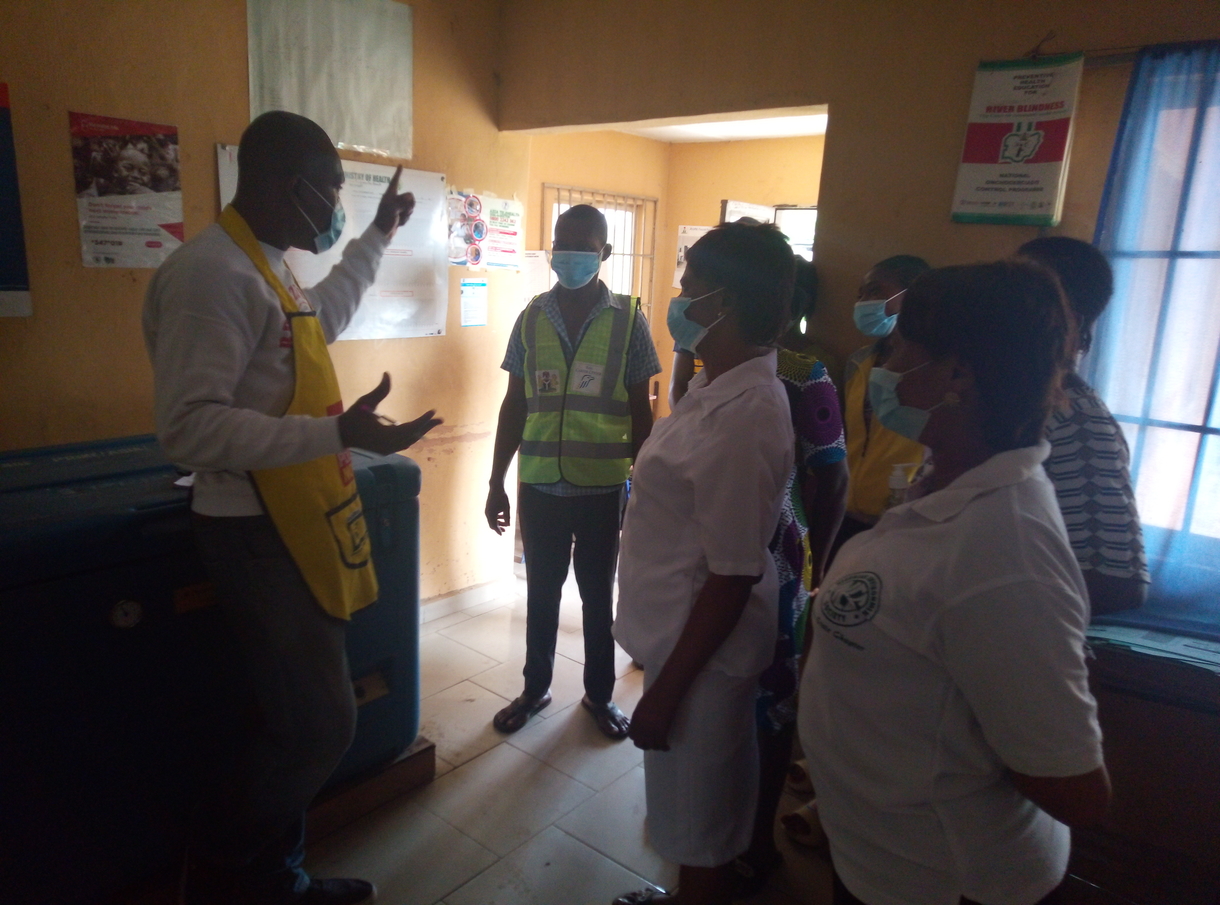
Staff training with a measles vaccination team in Abia State
.tmb-1920v.png?Culture=en&sfvrsn=54737d84_1)